



Depression
Major Depressive Disorder
Depression (Major Depressive Disorder)
Depression is a medical condition affecting mood, thinking, energy, and daily functioning.
It is more than temporary sadness or stress and often requires structured, professional care.
At Psymate Clinic, depression is approached through an integrated, technology-led mental health framework combining psychiatry, psychotherapy, and precision neuromodulation (rTMS)—delivered ethically, thoughtfully, and without reducing individuals to labels.
What Is Depression?
Depression, clinically referred to as Major Depressive Disorder, is a condition marked by persistent changes in:
Emotional experience
Cognitive functioning
Motivation and energy
Sleep, appetite, and physical vitality
Depression can affect anyone, regardless of age, background, or life circumstances. It is not a weakness, a lack of willpower, or something that can be overcome simply by “staying positive.”
Common Symptoms of Depression
Symptoms vary across individuals and may include:
Persistent low or empty mood
Loss of interest or pleasure in daily activities
Fatigue or reduced energy
Sleep disturbances (insomnia or excessive sleep)
Changes in appetite or weight
Difficulty concentrating or making decisions
Feelings of guilt, worthlessness, or hopelessness
Social withdrawal
Thoughts of death or self-harm
Conditions are never treated in isolation from the individual’s life context.
How Depression Is Evaluated at Psymate
Diagnosis is made through a comprehensive clinical evaluation, not a single test. At Psymate Clinic, assessment typically includes:
Detailed psychiatric interview
Review of symptom patterns and duration
Sleep, energy, and cognitive assessment
Medical and medication history
Psychosocial and occupational context
Screening for anxiety, substance use, and medical contributors
Diagnosis is reviewed longitudinally, recognising that symptoms and needs can evolve over time.
Depression Treatment at Psymate Clinic
Treatment is individualised and guided by clinical presentation, functional impact, patient preference, and long-term goals.
Psychotropic medications may be recommended when clinically appropriate.
At Psymate, medication use is:
• Carefully selected
• Regularly reviewed
• Adjusted to minimise side effects
• Integrated with other therapeutic approaches
Medication is never the only lens through which care is delivered.
Psychotherapy is a core component of depression treatment and may include:
• Cognitive-behavioural therapies
• Psychodynamic and depth-oriented therapies
• Integrative approaches focused on emotional regulation and resilience
Therapy addresses not only symptoms, but also patterns, meaning, and recovery.
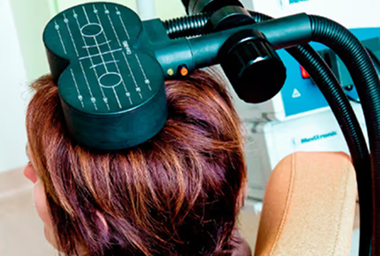
Psymate Clinic has specialised expertise in advanced neuromodulation, including repetitive Transcranial Magnetic Stimulation (rTMS).
rTMS is a non-invasive brain stimulation treatment that targets specific neural circuits involved in mood regulation using focused magnetic pulses.
Unlike medications, rTMS:
• Acts locally on defined brain networks
• Does not enter the bloodstream
• Does not cause systemic pharmacological side effects
• Does not require daily medication intake
How rTMS Is Used at Psymate
At Psymate, rTMS is not restricted to “last-resort” cases.
It is positioned as a technology-led, precision treatment option, considered when targeted neuromodulation offers a clinical advantage.
rTMS may be used:
• As an early or primary intervention in selected clinical profiles
• As an adjunct to psychotherapy, supporting neuroplastic change
• For individuals seeking effective care with minimal systemic side effects
• As part of a comprehensive, integrated treatment plan
Protocols are selected and monitored by psychiatrists, with outcomes tracked over time.
Integrated Recovery and Follow-Up
Treatment at Psymate extends beyond symptom reduction and focuses on:
Functional recovery
Sleep and routine stabilisation

Emotional resilience
Relapse prevention
Long-term continuity of care
Plans are reviewed and refined as recovery progresses.
When to Seek Professional Help
Professional evaluation is recommended if:
Depressive symptoms persist for more than two weeks
Daily functioning, work, or relationships are affected
Emotional numbness or hopelessness increases
Thoughts of self-harm or suicide occur