Anxiety Disorders
Anxiety disorders are medical conditions characterised by persistent fear, worry, or physiological tension that interfere with daily functioning.
Anxiety Disorders
Anxiety disorders are medical conditions characterised by persistent fear, worry, or physiological tension that interfere with daily functioning.
They go beyond normal stress responses and often require structured professional care.
At Psymate Clinic, anxiety disorders are approached through an integrated, technology-led mental health framework that combines psychiatry, psychotherapy, and precision neuromodulation (rTMS)—delivered thoughtfully, ethically, and without reducing individuals to labels.
What Are Anxiety Disorders?
Anxiety disorders involve excessive or disproportionate activation of brain systems responsible for threat detection, emotional regulation, and bodily arousal.
While anxiety is a normal human emotion, anxiety disorders occur when this response becomes:
Persistent
Cognitive functioning
Difficult to control
Disruptive to personal, social, or professional life
These conditions affect both mind and body, often producing physical symptoms that can feel alarming or confusing.
Common Symptoms of Anxiety Disorders
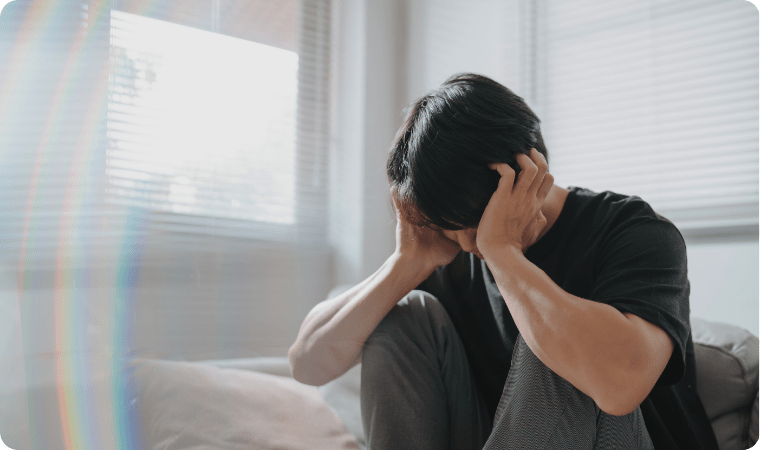
Symptoms vary across individuals and may include:
Excessive or uncontrollable worry
Feeling tense, restless, or “on edge”
Palpitations, chest tightness, or shortness of breath
Sweating, trembling, or dizziness
Gastrointestinal discomfort or nausea
Difficulty concentrating or mental fatigue
Sleep disturbance
Avoidance of situations that provoke anxiety
Some individuals primarily experience physical symptoms, while others struggle more with persistent worry or fear.
Types of Anxiety Disorders
Psymate Clinic provides care for the full spectrum of anxiety disorders, including:
Generalised Anxiety Disorder (GAD)

Panic Disorder
Social Anxiety Disorder
Specific Phobias
Anxiety related to medical or neurological conditions

Each subtype involves distinct clinical patterns and requires careful differentiation.
Causes and Contributing Factors
Anxiety disorders typically arise from a combination of factors, such as:
Dysregulation in brain circuits involved in fear and arousal
Genetic vulnerability
Chronic stress or traumatic experiences
Learned behavioural and cognitive patterns
Medical conditions or hormonal changes
Substance use or medication effects
Identifying which factors are most relevant for an individual is essential for effective treatment.
How Anxiety Disorders Are Evaluated at Psymate
Diagnosis is based on a comprehensive clinical assessment, not a single test.
At Psymate Clinic, evaluation may include:
Detailed psychiatric interview
Assessment of symptom patterns and triggers
Review of physical symptoms and medical history
Screening for cardiac, endocrine, or neurological contributors
Evaluation for co-existing depression, OCD, or substance use
Functional assessment of work, relationships, and daily life
Diagnosis is reviewed over time, recognising that anxiety presentations can evolve.
Anxiety Disorder Treatment at Psymate Clinic
Treatment is individualised and guided by symptom profile, severity, functional impact, and patient preference.
Care may include one or more of the following:
Medication may be recommended when clinically appropriate.
At Psymate, psychiatric care focuses on:
- Careful selection based on symptom dimensions
- Avoiding unnecessary long-term medication exposure
- Regular review and adjustment
- Integration with psychotherapy and neuromodulation
Medication is used judiciously—not reflexively.
Psychotherapy is a central component of anxiety care and may include:
- Cognitive-behavioural approaches targeting fear and avoidance
- Therapies focused on emotional regulation and tolerance of uncertainty
- Integrative approaches addressing stress, trauma, and coping styles
Therapy aims not only to reduce anxiety, but to restore confidence and functional freedom.
Precision Neuromodulation (rTMS) for Anxiety Disorders
Psymate Clinic has advanced expertise in precision neuromodulation, including repetitive Transcranial Magnetic Stimulation (rTMS).
rTMS is a non-invasive brain stimulation technique that targets specific neural circuits involved in emotional regulation, threat perception, and autonomic arousal.
Unlike systemic medications, rTMS:
- Acts locally on defined brain networks
- Does not enter the bloodstream
- Does not cause systemic pharmacological side effects
- Allows individuals to continue normal daily activities
How rTMS Is Used at Psymate
At Psymate, rTMS is not limited to last-line use.
It is considered a technology-led, precision intervention when targeted neuromodulation offers clinical benefit.
rTMS may be used:
- As an early or adjunctive intervention in selected anxiety profiles
- To support psychotherapy by enhancing neuroplasticity
- For individuals seeking effective care with minimal medication-related side effects
- As part of a comprehensive, integrated treatment plan
Protocols are selected and supervised by psychiatrists, with progress monitored throughout care.
Integrated Recovery and Follow-Up
Care extends beyond symptom relief and focuses on:
Reduction of avoidance behaviours
Restoration of sleep and routine
Improved stress tolerance and emotional flexibility
Prevention of relapse
Long-term continuity of care
Treatment plans evolve as recovery progresses.
When to Seek Professional Help
Professional evaluation is recommended if:
While anxiety is a normal human emotion, anxiety disorders occur when this response becomes:
Anxiety persists for weeks or months
Physical symptoms cause distress or fear
Work, relationships, or daily activities are affected
Avoidance behaviours increase
Self-help strategies are no longer effective